When you click on links to various merchants on this site and make a purchase, this can result in this site earning a commission. Affiliate programs and affiliations include, but are not limited to, the eBay Partner Network.
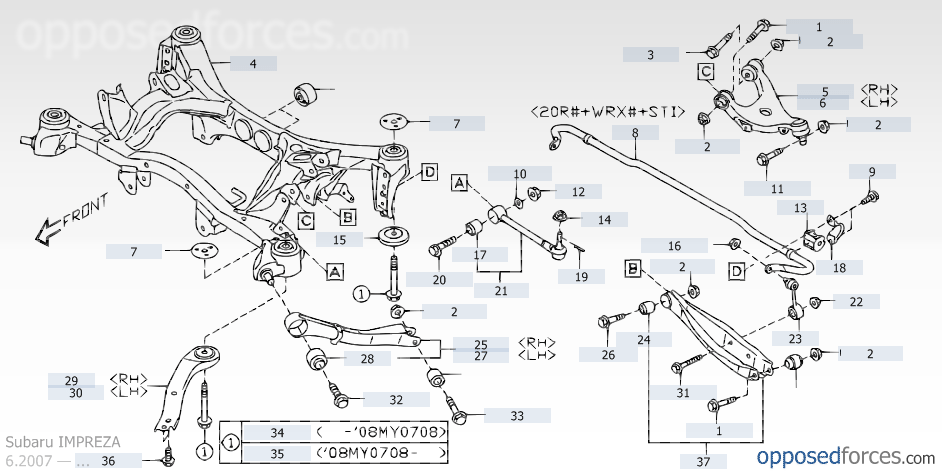
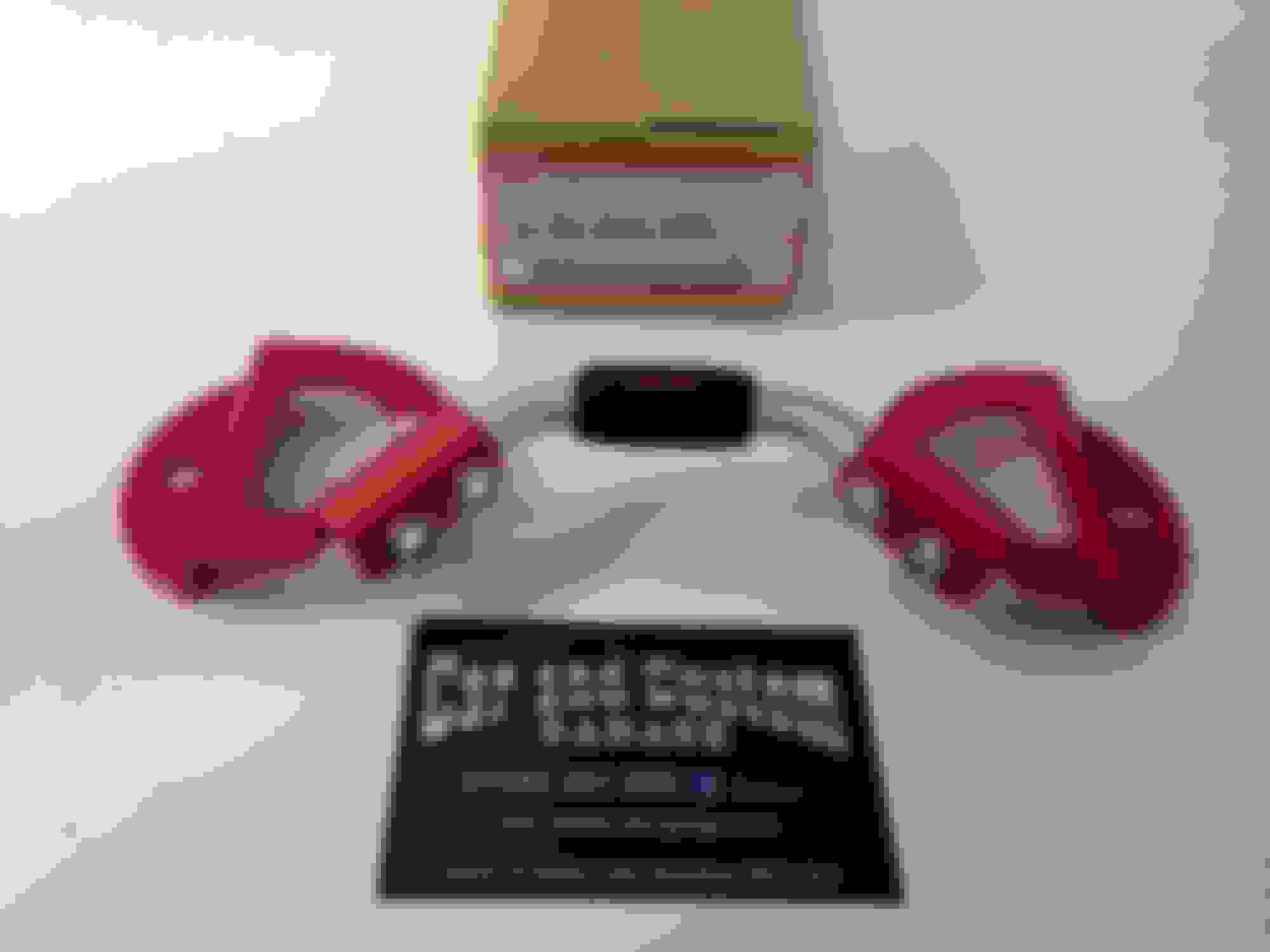
They tie the front cross member to the chassis to improve wheel location when cornering.
The 2011 (model C) already has the ball jointed rear lower wishbone bush to reduce movement. This enhances it further by tying in the front.
Once in place you tension each one to a specific value. (The rear end of each has a rubber compression bush)
Replaces the lower cross member used on the 2008-2010 models.........
although looking at the compression settings it can be used on the earlier A/B variants
There is/was a write up about the complete package but have been unable to find it again. (so far)
Last edited by Don Clark; Feb 3, 2020 at 07:03 PM.
What do the upgraded ones do?
Are they pillow ball ones allowing for a more free movement?
Yes.
Seems to buck the trend of fitting subframe bush inserts to "stiffen" up the rear.
Wasn't convinced about the original "flexible" tower strut brace but could see how the "lower stiffies" would work, in fact retaining all the rubber bushes has reduced the NVH from the front as well, so have decided to bite the bullet on the rear support mounts.
Last edited by Don Clark; Feb 3, 2020 at 07:12 PM.
Wow they certainly are different in design to the stock item, whats the benefits for the rotating arm to the fixed stock?
Mark,
Before changing them, with a Whiteline 20mm rear ARB and braces fitted, there was a tendancy when doing the "roundabout slalom" the back end would be a bit twitchy.
Since changing it stays planted.
Looking at where they fit, they are bolted at both ends to the chassis (front end direct, rear end holding the rear sub frame in place) so you wouldn't think they would do anything, but the new ones seem to allow a little bit of flex into the chassis when it's needed.
"Stiffer is not always better"
STI quote
A pillow ball bush mounted to the central part of the support plate which connects the sub-frame and body ensures that the necessary amount of power is transmitted to the rear wheels without delay, and at the same time blocks any unnecessary force input. This design improves the responsiveness and grip of the rear wheels, and increases roll rigidity, resulting in a more stable control and comfortable ride.
Last edited by Don Clark; Feb 3, 2020 at 07:21 PM.
Don do you have some kind of press in ya garage or did you go back to work with some,buns and get the lads to rustle it up for you
Looks good very neat
Well done
All done by my own two hands.........
Usual engineers hand tools plus a pillar drill, bench grinder, jig saw and Dremel plus some brazing as my welder was a bit too vicious for the gauge of steel.....
Being a Marine Engineer by profession helps
I suppose having taken early retirement I have abit more time on my hands than most.